Bisha Sufri Date Cold Storage Engineering: Ideal Temp, Humidity & Weevil Control
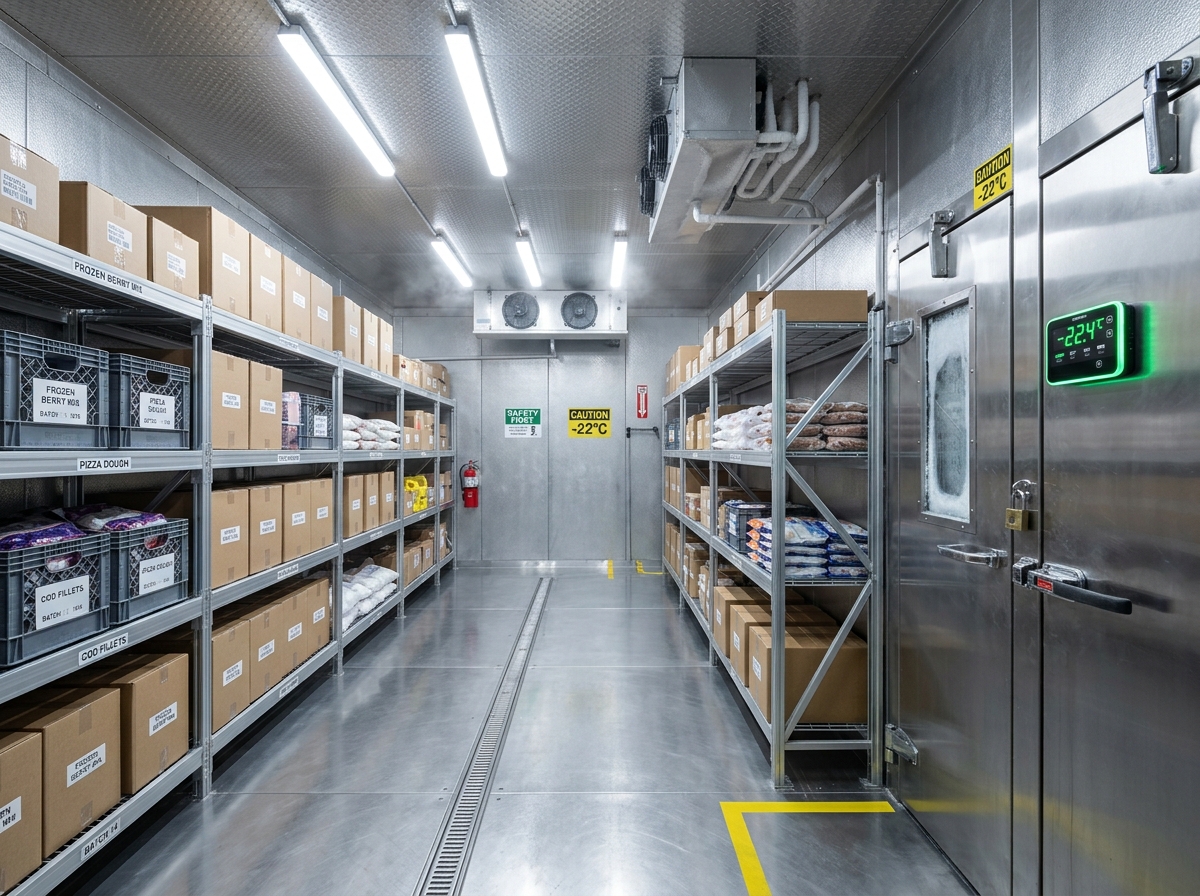
Preserving Bisha Sufri dates without chemical fumigants requires 72 hours of -18°C blast freezing to neutralize date-weevil eggs, followed by annual storage at -2°C to +2°C and balanced 65%–70% relative humidity powered by tropicalized T3 condensing systems built to withstand 50°C desert summers.
Why Bisha Date Harvests Face Extreme Thermal Pressure
Bisha ranks among Saudi Arabia’s historic palm oases—home to over two million palm trees anchored by its renowned Sufri date variety prized across domestic and export markets. Every August and September, harvest season coincides directly with brutal desert heat where daytime shade temperatures surge between 48°C and 50°C.
Leaving freshly harvested crates unchilled for even 12 hours accelerates destructive quality losses: enzymatic darkening turns amber dates unsightly brown, natural sugars begin fermenting, and microscopic insect eggs (ephestia moths, sawtoothed grain beetles, and date weevils) hatch indoors—turning high-grade agricultural crops into steep commercial losses.
- Sufri Moisture Balance: Requires exact vapor-pressure stability so dates keep soft flesh and golden-brown sheen all year.
- 50°C Desert Peak Load: Standard European condensers fail rapidly; Bisha rooms require wide-fin T3 tropicalized coils rated to 52°C ambient.
- Chemical-Free Pest Elimination: Deep thermal shock freezing replaces harsh chemical fumigants like methyl bromide cleanly.
3-Stage Cold-Chain Engineering Protocol for Date Warehouses
Top Cleaners refrigeration engineers structure every commercial date warehouse across three mandatory thermal phases:
Stage 1 — 72-Hour Pest-Elimination Freezing: Packed date cartons enter heavy-airflow blast rooms maintained between -18°C and -22°C for 72 uninterrupted hours. Sustained sub-zero core temperatures rupture 100% of adult moths, larvae, and dormant eggs safely with zero chemical residue.
Stage 2 — Long-Term Preserved Holding: Once sanitized, pallets move into annual storage rooms calibrated strictly between -2°C and +2°C. Near-zero storage stalls polyphenol oxidase browning enzymes and retains tree-fresh flavor and firmness for over twelve months.
Stage 3 — Automated 65%–70% Relative Humidity Control: Holding RH below 60% slowly desiccates fruit weight into hard stones, whereas drifting above 75% forces sugar migration to the skin—creating sticky white crystals ('sugar spotting') and dangerous surface mold.
| Engineering Parameter | 72-Hr Pest-Freeze Chamber | Annual Date Storage Warehouse |
|---|---|---|
| Target Operating Temperature | -18°C to -22°C | -2°C to +2°C (Near-Zero Chilling) |
| Fire-Rated PIR Panel Thickness | 120 mm to 150 mm | 100 mm with Insulated Floor |
| Condensing & Compressor Spec | 2-Stage Semi-Hermetic T3 | Tropicalized Scroll / Semi-Hermetic T3 |
| Defrost Architecture | Hot-Gas or Dual Electric Heaters | Programmable Coil Electric Defrost |
| Humidity Sensor Management | Frozen Passive State | Digital Automated 65% - 70% RH |
| Evaporator Fan Airflow | High Velocity (Carton Penetration) | Gentle Balanced Circulation (No Drying) |
Common Warehouse Mistakes Destroying Bisha Date Batches
1. Zero Air-Stacking Clearance: Stacking cardboard cartons flush against PIR walls traps harvest heat inside central pallet cores—causing hidden fermentation while wall sensors falsely read +1°C.
2. Retrofitting Residential Split ACs: Using standard home split units to chill date rooms guarantees frozen evaporator coils, slugged compressors, and failed crops within weeks because residential units lack expansion valves calibrated below +15°C.
3. Skipping Post-Storm Condenser Washes: Bisha sandstorms cake dust onto rooftop fins—spiking head pressure past cutoff switches and tripping cold rooms offline during peak harvest afternoons.
Turnkey Date Cold-Room Build & Harvest Emergency Support
From Al-Khalidiyah and central Bisha date markets to large agricultural orchards, Top Cleaners handles complete heat-load engineering, cam-lock PIR panel erection, genuine Bitzer and Danfoss T3 unit installation, and 24/7 harvest standby maintenance contracts so valuable Sufri harvests stay crisp, golden, and pest-free year-round.
Before August intake begins, our Bisha branch executes pre-season evaporator sanitization, superheat expansion-valve calibration, backup generator switchover testing, and GSM/Wi-Fi temperature alarm verification so growers avoid mid-harvest outages.
- Maintain at least 15 cm raised pallet clearance and 30 cm wall gaps around stacked cartons for uninterrupted cold air circulation.
- Flush rooftop T3 condensers immediately after desert dust storms to keep compressor head pressures safely within warranty limits.
Direct Service & Pricing Links
Frequently Asked Questions
Does -18°C freezing spoil the softness or taste of Sufri dates?
No—controlled deep freezing locks natural cell membranes cleanly so once brought back to room temperature, Sufri dates retain fresh elasticity, moisture, and caramel sweetness.
What outdoor condensing specs withstand Bisha’s 50°C August heat?
Select oversized T3 tropicalized units with wide aluminum fin spacing (3.0+ mm) for sand tolerance, dual axial condenser fans, and adjustable high-pressure safety controls.
How often should date cold-storage warehouses be serviced?
Full coil washing, compressor oil checks, defrost drain testing, and humidity sensor calibration every 3 months—plus an urgent inspection right before August harvest intake.
Can Top Cleaners install SMS cloud temperature alarms for farm warehouses?
Yes—our GSM/Wi-Fi data loggers text orchard owners immediately if power fails or temperature drifts more than 1.5°C.